We are consultants to small and midsize organizations. We rebuild how the organization is put together — decision rights, reporting lines, rhythms, the moments that form people — so the strategy on the page can actually be carried out.
Your structure should enable your strategy, not fight it. We build the structure you need, with the principles America needs.
Structure is the integrated pattern of authority, responsibility, relationships, information, incentives, and rhythms through which a group pursues its mission. It is not the org chart, and it is not the culture. It is a school — teaching people daily what is safe, what is rewarded, and what is punished, until those lessons become reflex.
Most consulting treats structure as plumbing. It is a curriculum. The consequences do not stay inside the building; they walk out the door every evening into families, communities, and civic life.
The chart is not the structure
Every organization runs two structures: the one it claims and the one that operates. Redesigns that move boxes on a chart leave the operating one untouched.
Strategy is treated as the hard part
The strategy is usually right. It fails because nobody can decide, nobody owns the outcome, and the information never reaches the person who needs it.
Nobody asks the formative question
A century of theory asks what structures produce. Almost none asks what they produce in people — the habits, reflexes, and character formed by years inside.
The evidence is not subtle.
Three structures
NASA · 1985–86
Roger Boisjoly did everything right.
He documented the O-ring problem in writing six months before launch and escalated it through every proper channel. The Rogers Commission found the information existed in the system; the structure kept it from the people who needed it. Authority sat at the top, with the schedule pressure. Information sat at the bottom, with the engineers.
14lives — Challenger and Columbia, the same structural finding fourteen years apart
NUMMI · Fremont, 1984
Toyota reopened GM's worst plant and rehired the same workers.
The people did not change. The pattern did. Any worker could stop the line and was expected to — not pulling the cord was the dereliction. Responsibility shifted from tightening a bolt to making a good car. In the old plant, sabotage was rational. You do not get the behavior you want; you get the behavior the structure rewards.
2%absenteeism at a plant once defined by strikes and sabotage
USS Santa Fe · 1999
Marquet stopped giving orders. The worst boat in the fleet became the best.
Officers stopped requesting permission and started announcing intent: "I intend to." Commander's intent, decentralized execution, and earned trust replaced the order-and-obey reflex — and the formation compounded well past that one crew.
~10officers from that single crew who went on to command their own submarines
Figure 1
Formation compounds —in either direction.
The cycle runs virtuously or viciously depending on what the structure teaches. That is why the design question is never only operational. It is a question about who your people become after five years inside the thing you built.
01Structuredetermines what people experience
02Experiencerepeated, becomes habit
03Habitsustained, becomes character
04Characterorients mindset
05Mindsetshapes the structures people build next
A free society depends on people who can govern themselves — and the habits of self-governance are formed where people spend their days.
Your structure should enable your strategy, not fight it. We build the structure you need, with the principles America needs: clear intent, decisions made where the consequences land, and trust that is earned rather than announced.
The more an organization develops genuine internal self-governance, the less external governance it requires. That is not a partisan claim. It is a structural one.
Self-governance is not the most efficient design. It is the most human one — and it is the only kind that keeps forming people well after the consultants leave.
What we do
Three ways to changewhat the structure teaches.
01
Organizational design
We map the structure that actually operates — not the one on the chart — across all six dimensions, then redesign the frame so your strategy has somewhere to land and your people are formed well inside it.
Decision rights and reporting lines
Information flow and responsibility
Incentives and operating rhythms
02
Event design
Gatherings are where a structure teaches out loud. We design the offsites, launches, and rites of passage that make the new pattern real — and that let people practice the habits it requires.
Arc, agenda, and facilitation
Onboarding and milestone moments
After-action review as a rhythm
03
Coaching
Self-governance fails when authority outruns capability. We build capability in the leaders carrying the redesign, so intent stays clear and distributed decisions are survivable.
Commander’s intent and boundaries
Distributing authority without trust theater
Succession and bench depth
Method
Diagnose what operates. Redesign the frame. Install it.
Step 01 / 03
Diagnose
We map what operates, not what the chart claims: who can actually decide, who owns the outcome, who gets to know what, and what really gets rewarded. You get a written diagnosis of the gap between the two structures — and of what the current one is teaching your people.
Leadership and floor interviews
Six-dimension structural map
Written diagnosis of the gap
Step 02 / 03
Redesign
We draw the new frame across all six dimensions — authority, responsibility, relationships, information, incentives, rhythms — with intent clear enough to guide hard calls, and sequence the change so the organization keeps running while it is rebuilt.
Decision rights and role scopes
Intent, boundaries, and cadence
Sequenced change plan
Step 03 / 03
Install
Design without installation is a document. We build capability before authority is distributed, then stay through the first cycles: the events that mark the change, the after-action reviews, the coaching that keeps leaders from quietly taking the decisions back.
Capability before authority
Launch events and after-action reviews
Cadence review at 90 days
The people
A small firm,on purpose.
The people who diagnose your organization are the people who sit in the room with you. There is no bench of associates behind us.
Erica McCue
Founding Principal
Works on the human side of structure: how authority is actually held, and what a room is teaching the people in it.
Zach McCue
Founding Principal
Works on the architecture: decision rights, ownership, information flow, and the rhythms that keep a redesign true.
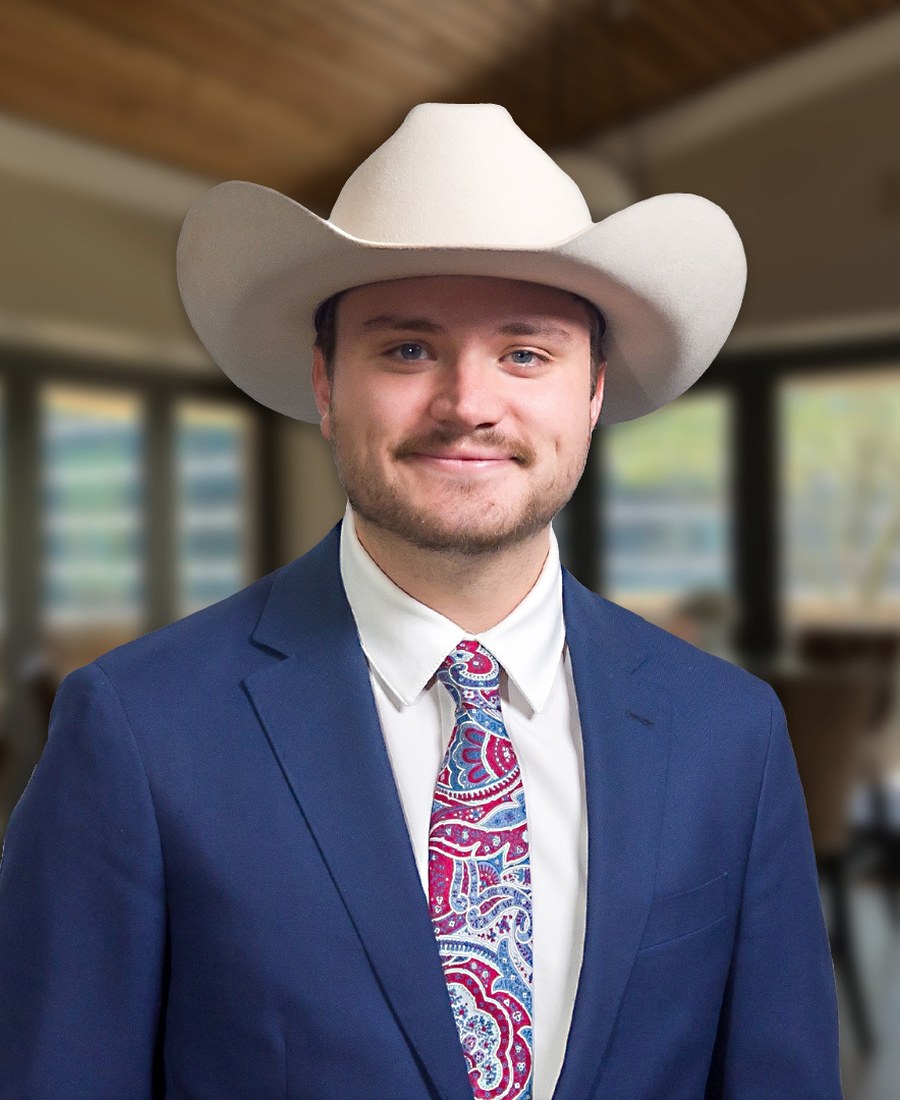
Alex Billups
Technical Lead
Builds the systems and instrumentation that make a new structure visible — and keep it honest after we leave.
For leadership teams whose plan keeps stalling in the middle of the org.
A full redesign of the operating structure: where authority sits, who owns outcomes, how information reaches the person who needs it. You leave with a map, a sequence, and the rhythms that keep it true.
II
Gatherings that teach the new pattern
For organizations with a moment coming: a merger, a launch, an annual offsite.
We design the arc of the event and facilitate it — the room, the order, the questions asked. People leave having decided something and having practiced the habits the new structure requires.
III
Leaders who can distribute authority
For founders, executives, and the next layer being handed real decisions.
Coaching through the hard middle of a change: clarifying intent when it is still vague, resisting the urge to intervene, and building capability so empowerment is real rather than exposure.
The formation is already happening — in your organization and in ours. The only question is toward what. Start with a conversation and we will tell you plainly whether a structural diagnostic, an event, or coaching is the right first move.